

Single Cell & Spatial Omics Core

Introduction
News and Announcement
The SCSOC provides a streamlined, cell-to-sequencing library service package for Single Cell RNA sequencing (scRNA-seq). It is capable to simultaneously profiling of transcriptomes ranging 500 – 10,000 cells in a single experiment. Different indexing systems are designed to label cell, transcript and sample origin in the sequencing library. This enables multiplexing of different sequencing libraries from multiple samples in the same Next Generation Sequencing (NGS) run. Libraries are Illumina-format compatible.
The service provided by SCSOC includes an initial sample QC check, following by an evaluation of overall quality of sample for fitness to continue run. Single cells are then encapsulated in thousands of Gel Bead-in Emulsion (GEM) droplets, where cells are lysed and mRNA molecules reverse transcribed into cDNA. cDNA with specific cell barcodes are then pooled together and subjected to subsequent conventional sequencing library preparation. A final QC is performed on the final sequencing library to ensure sound quality for massively-parallel sequencing.
Apart from single-cell sequencing modalities, SCSOC is also providing different spatial omics service packages to users. Equipped with state-of-the-art spatial profiling platforms, SCSOC is providing Spatial Transcriptomics (ST) and In-Situ Spatial Molecular Imaging (SMI) of RNA signals in tissue samples, both approaching down to single-cell resolution.
The SCSOC welcomes interested PIs for experimental troubleshooting, intellectual advices as well as project discussions / collaborations.
Equipment
Service Content & Workflow (Single-cell Omics I: 10X Genomics 3')
Workflow Overview
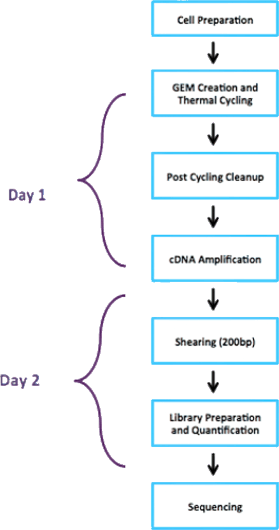
Next GEM Overview
10X Chromium Next GEM Single Cell 3’ Gene Expression Workflow
Chromium Next GEM Chip:
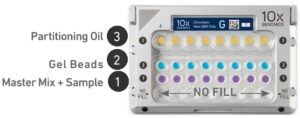
- Up to 8 samples per chip processed in parallel
- 500 to 10,000 cells per channel
- 18 minutes run time per chip
- Preferred cell size < 30 µm
- ~60-65 % cell recovery efficiency
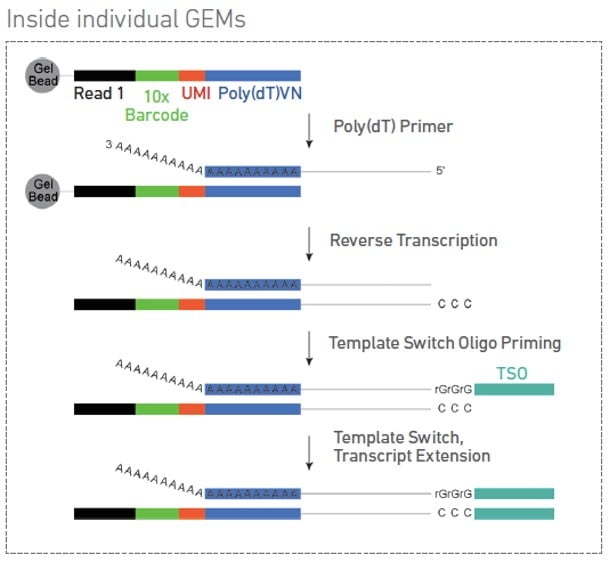
Day 1 Workflow - RT, template switching
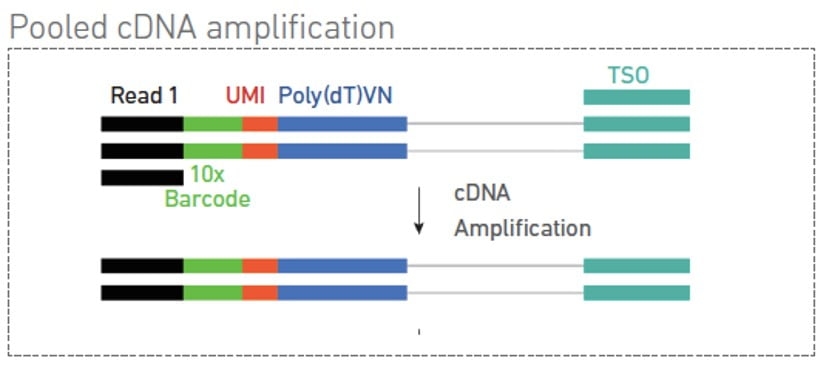
Day 1 Workflow - Pre-amp PCR
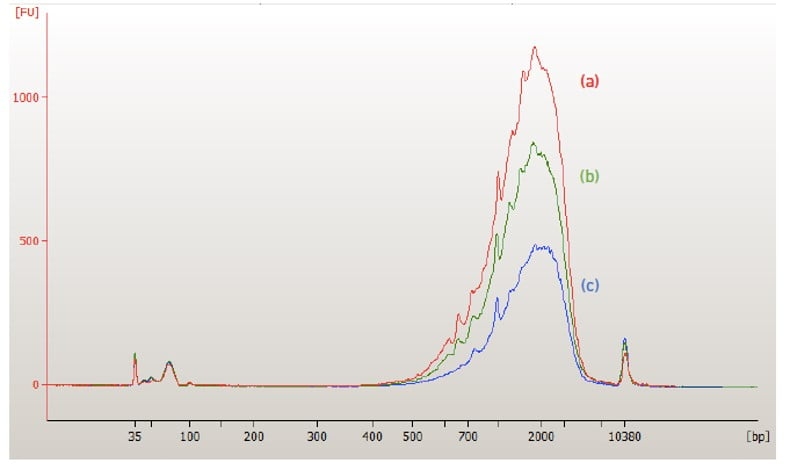
Day 1 Workflow - cDNA quality control
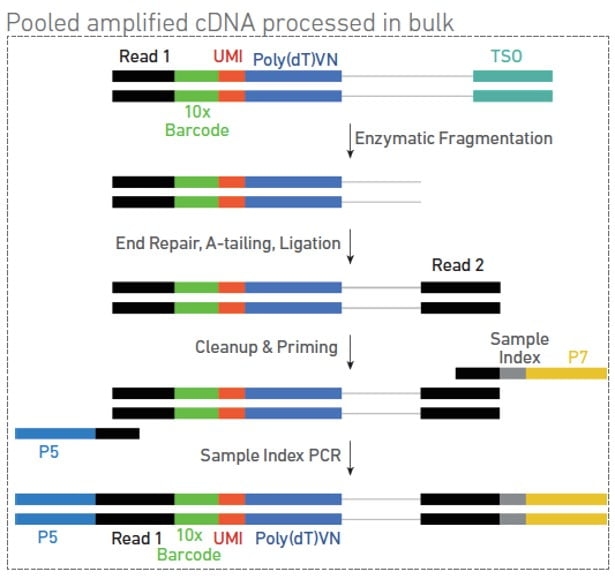
Day 2 Workflow - Sequencing library preparation
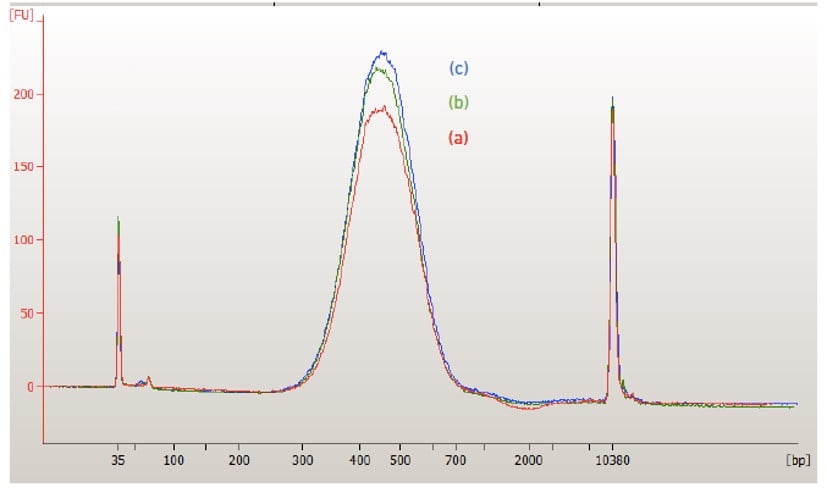
Day 2 Workflow - Sequencing library quality control
Service Content & Workflow (Single-cell Omics II: 10X Genomics FLEX)
Workflow Features

Ideal for Samples with Risks of RNA Degradation

Single Cell Fixed RNA Profiling (scFlex) Workflow

Workflow - Step 1: Probe Hybridization

Workflow - Step 2: Probe Ligation and Capture

Workflow - Step 3: GEM Generation, Probe Extensive & Barcoding

Workflow - Step 4: GEM Recovery & Pre-Amplification

Workflow - Step 5: Gene Expression Library Construction

Workflow - Step 6: Post Library Quality Control

Workflow - Step 7: Sequencing

Service Content & Workflow (Single-cell Omics III: Illumina)
Illumina Single Cell 3' RNA Prep kits
https://www.youtube.com/watch?v=PAiI1rarAPk
Single-cell RNA sequencing (scRNA-Seq) library preparation, which utilizes a microfluidics-free workflow based on PIPseq technology. These kits are designed for accessibility, scalability, and high-quality data generation.
The kit captures the 3' end of mRNA transcripts and are compatible with various sample types including blood, bone marrow, and single cells from human, mouse, yeast, and zebrafish ranging from 2,000 – 100,000 cells per sample.
It is a simple, manual workflow with flexible stopping points that can be performed on a benchtop, eliminating the need for expensive microfluidic equipment. The process involves cell capture and barcoding using particle-templated instant partitions (PIPs), followed by cDNA generation and library preparation for sequencing.

Figure 1. ILMN single cell preparation: Monodisperse emulsion by vortexing
Workflow:
1. Cell Capture and Lysis
- Mixing: Single-cell or nuclei suspensions are mixed with barcoded hydrogel template particles (PIPs) and oil.
- Emulsification: Using an engineered vortex mixer, the mixture is emulsified to create millions of partitions, each potentially containing one cell and one barcoded bead.
- Lysis: Cells are lysed within the partitions to release mRNA, which then binds to the poly(dT) primers on the barcoded beads.
2. cDNA Synthesis
- Emulsion Breaking: The emulsion is chemically broken and washed to recover the beads.
- Reverse Transcription: Beads undergo bulk reverse transcription to generate full-length cDNA containing unique cell barcodes and intrinsic molecular identifiers (IMIs).
3. Library Preparation
- Fragmentation & Tagging: The cDNA is fragmented, and adapters are ligated for sequencing compatibility.
- Amplification: The library is amplified via PCR to ensure sufficient concentration for sequencing.
4. Sequencing and Analysis
- Sequencing: Libraries are sequenced on compatible Illumina platforms (e.g., NextSeq 2000, NovaSeq X) using paired-end reads.
- Data Analysis: Resulting data is processed via DRAGEN secondary analysis software for cell calling and gene expression profiling.
Key Specifications
- Time: ~15 hours total (10 minutes for cell capture).
- Scalability: Supports 100 to 200,000+ cells per sample.
- Compatibility: Works with fresh or fixed cells (DSP / Methanol fixation).
- Equipment: Requires the Illumina Single Cell Prep Starter Equipment, which includes a specific vortex mixer and dry bath for precise emulsion handling.

Figure 2. Single cell mRNA capture and barcoding with PIP-Seq chemistry
Data
scRNA-Seq for cryopreserved human peripheral blood mononuclear cells (PBMCs). UMAP of 31,613 cells captured using the Illumina Single Cell 3ʹ RNA Prep T20 kit resolves diverse immune cell populations.

Figure 3. High-resolution scRNA-Seq at a scale of tens of thousands of cells
scRNA-Seq for mouse brain nuclei from frozen tissue. UMAP analysis of 155,000 nuclei captured using the T100 kit resolves diverse brain cell populations.

Figure 4. High-resolution scRNA-Seq at a scale of hundreds of thousands of cells
Service Content & Workflow (Spatial Omics I: Nanostring CosMx)
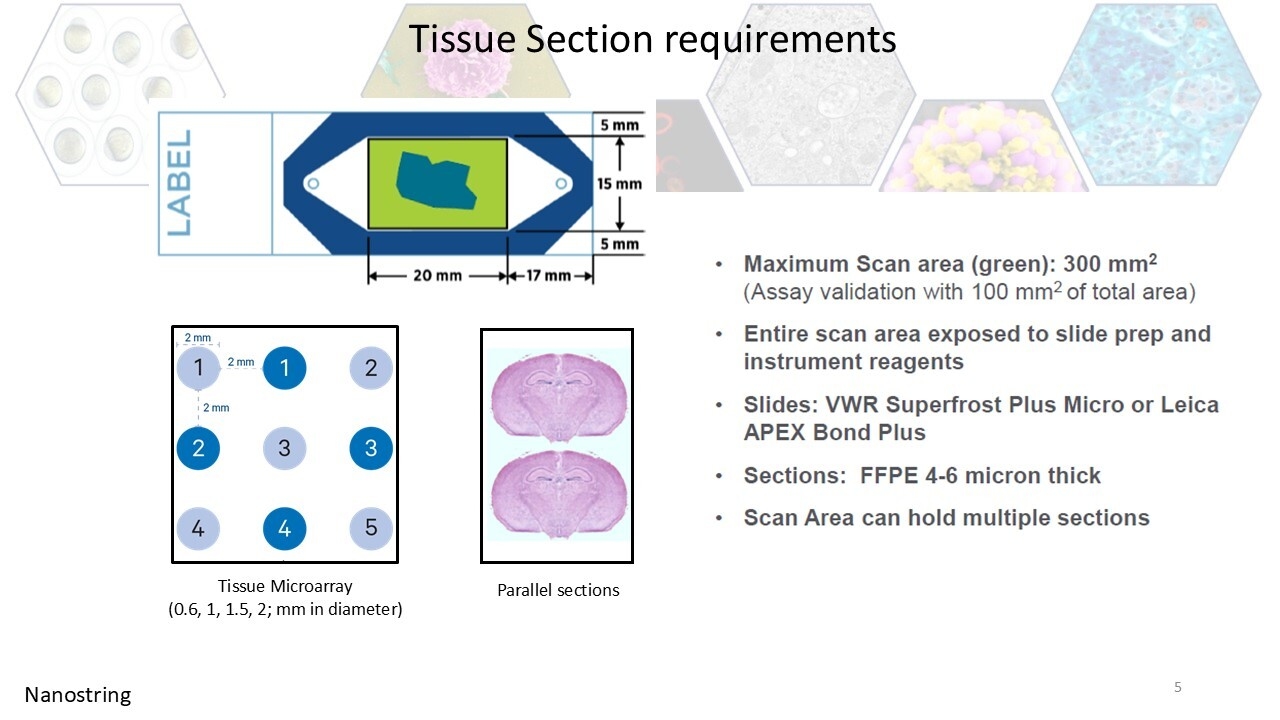
Tissue Section requirements1
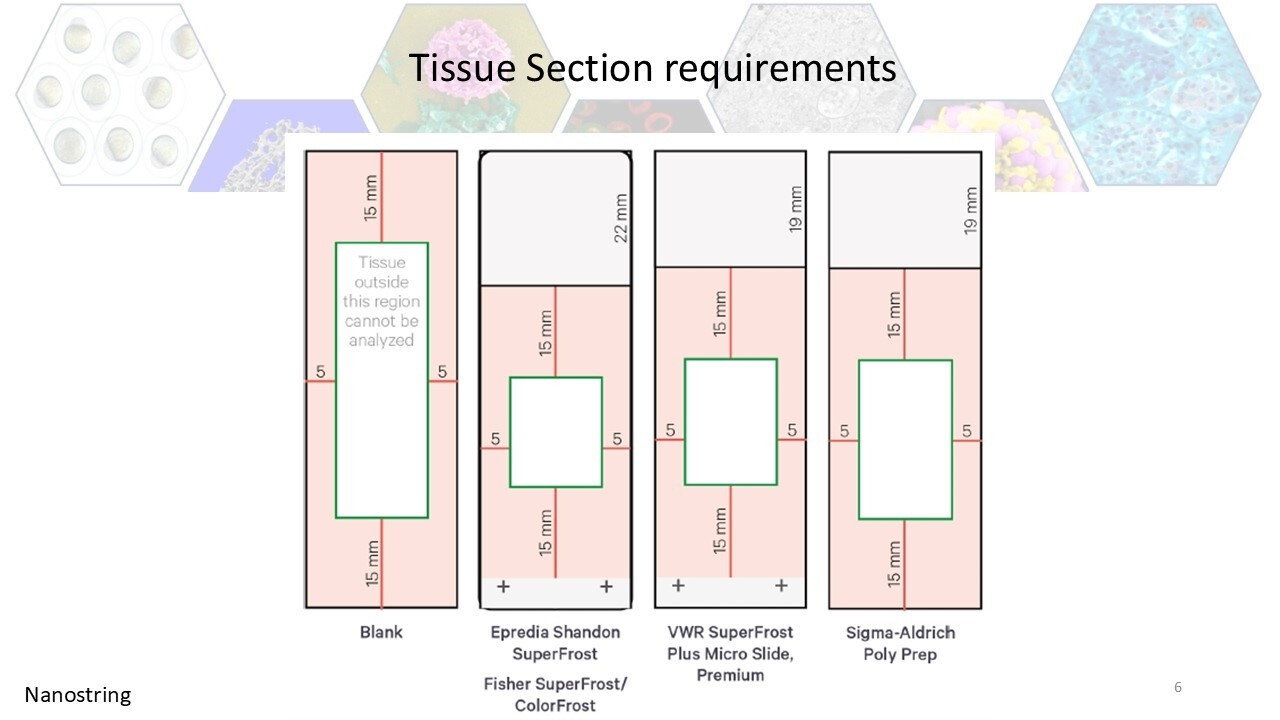
Tissue Section requirements2
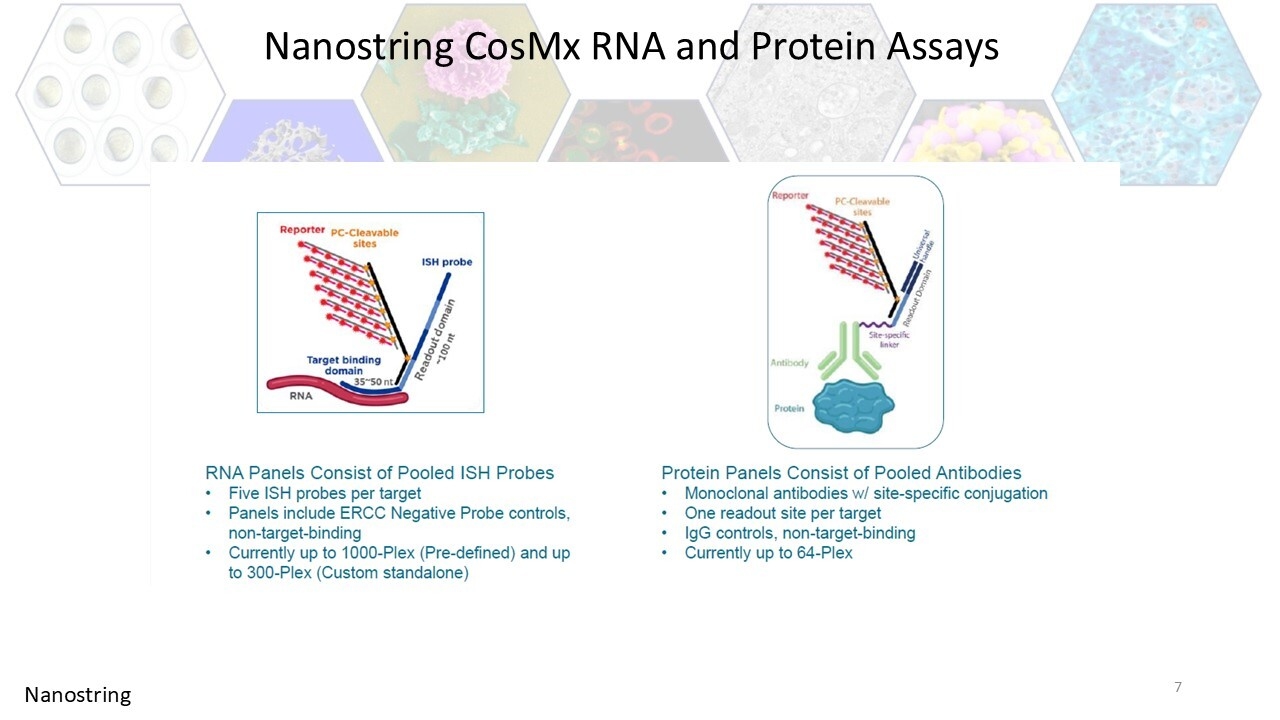
Nanostring CosMx RNA and Protein Assays
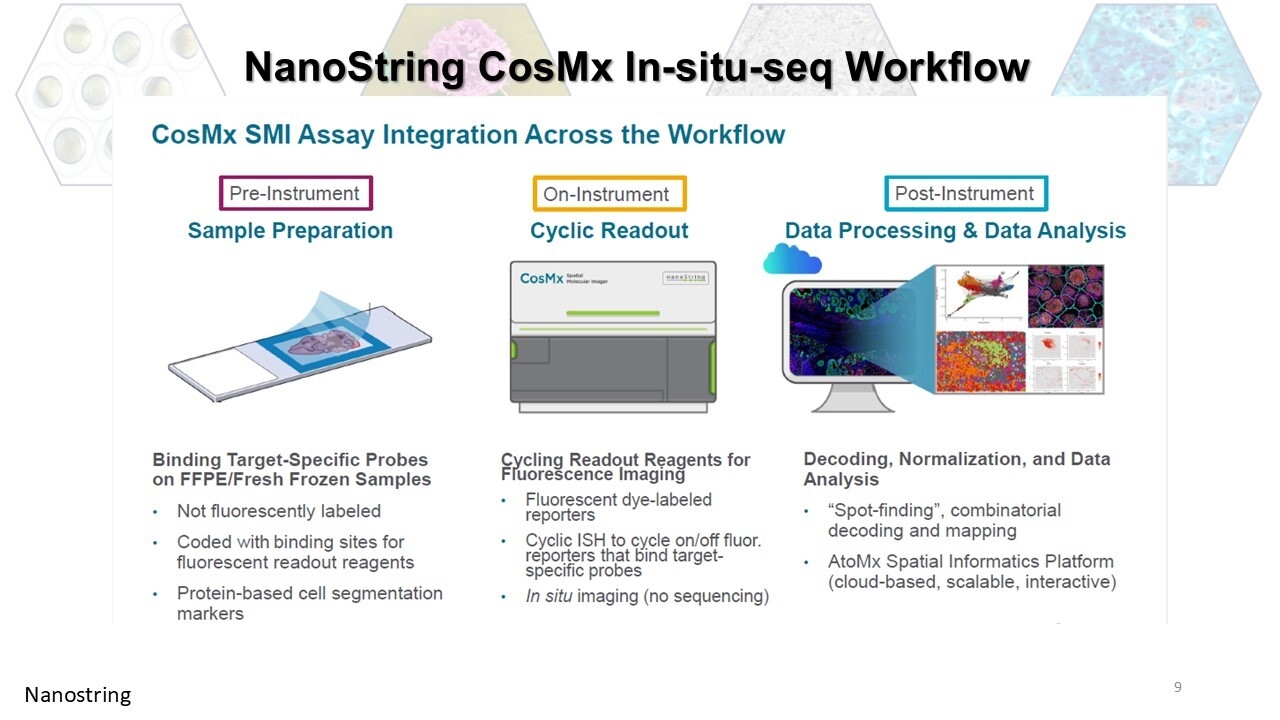
Nanostring CosMx In-situ-seq Workflow
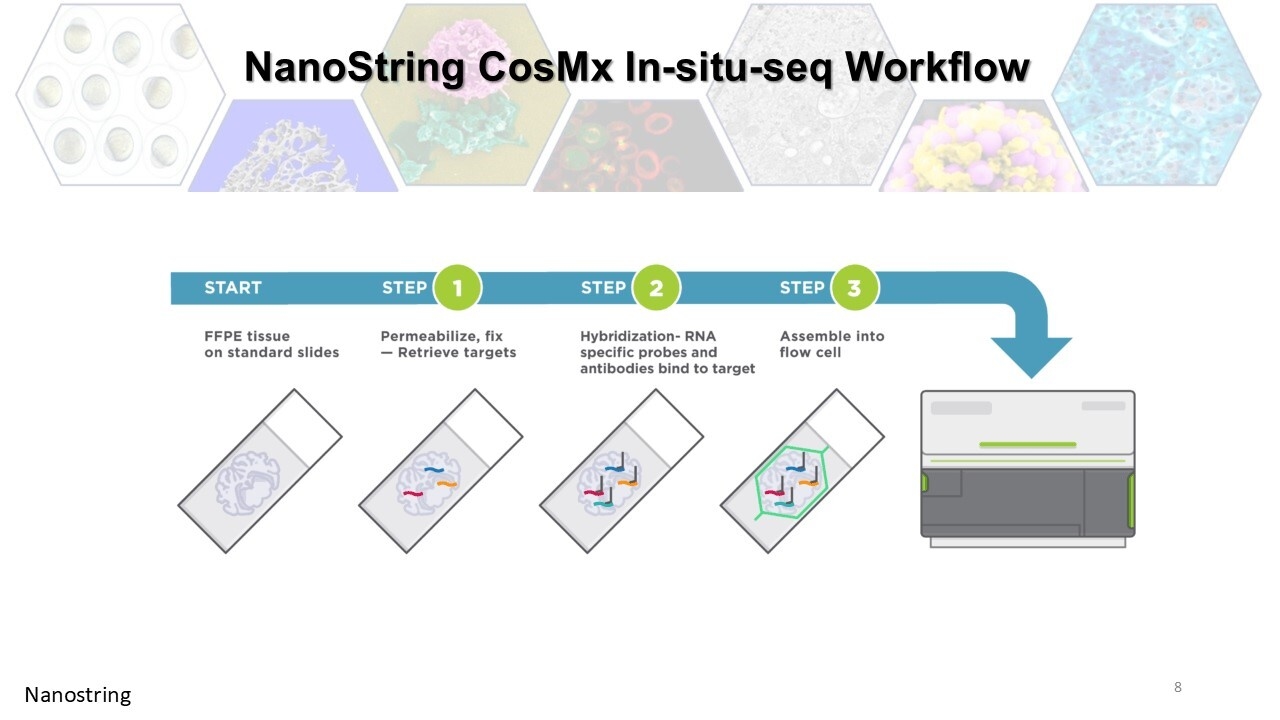
Nanostring CosMx In-situ-seq Workflow
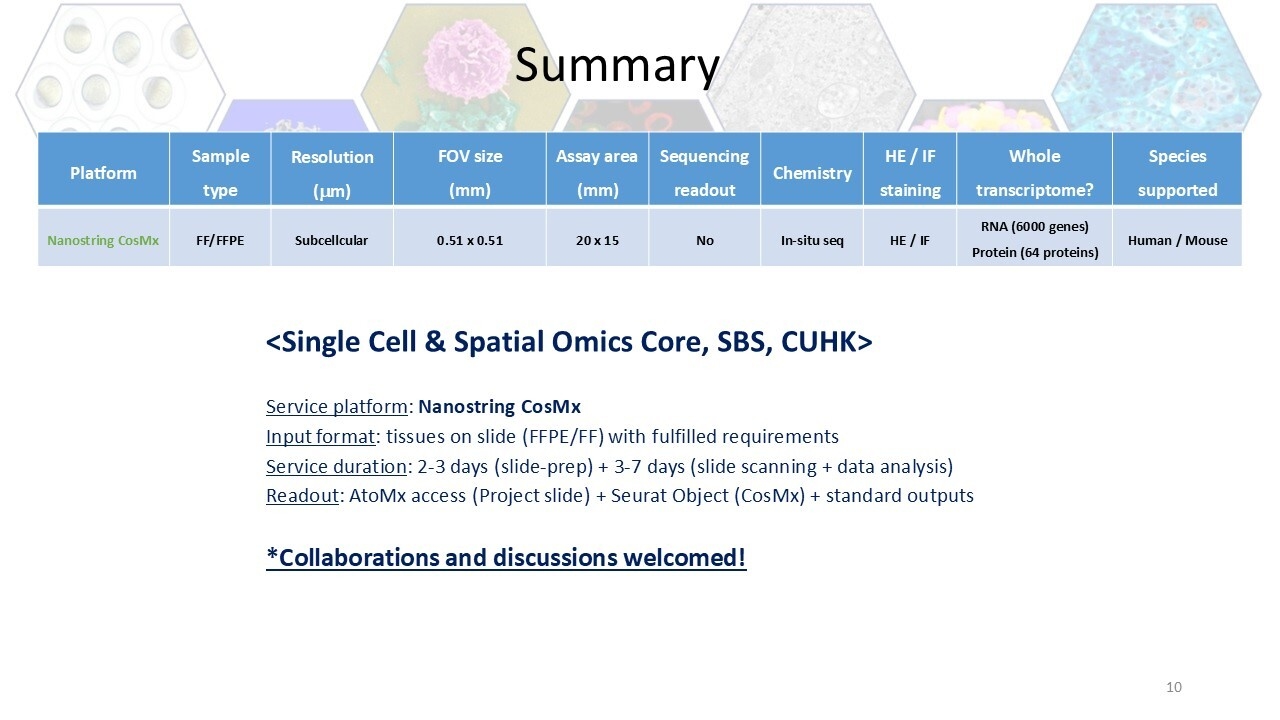
Summary
Service Content & Workflow (Spatial Omics II: 10X Genomics Visium)
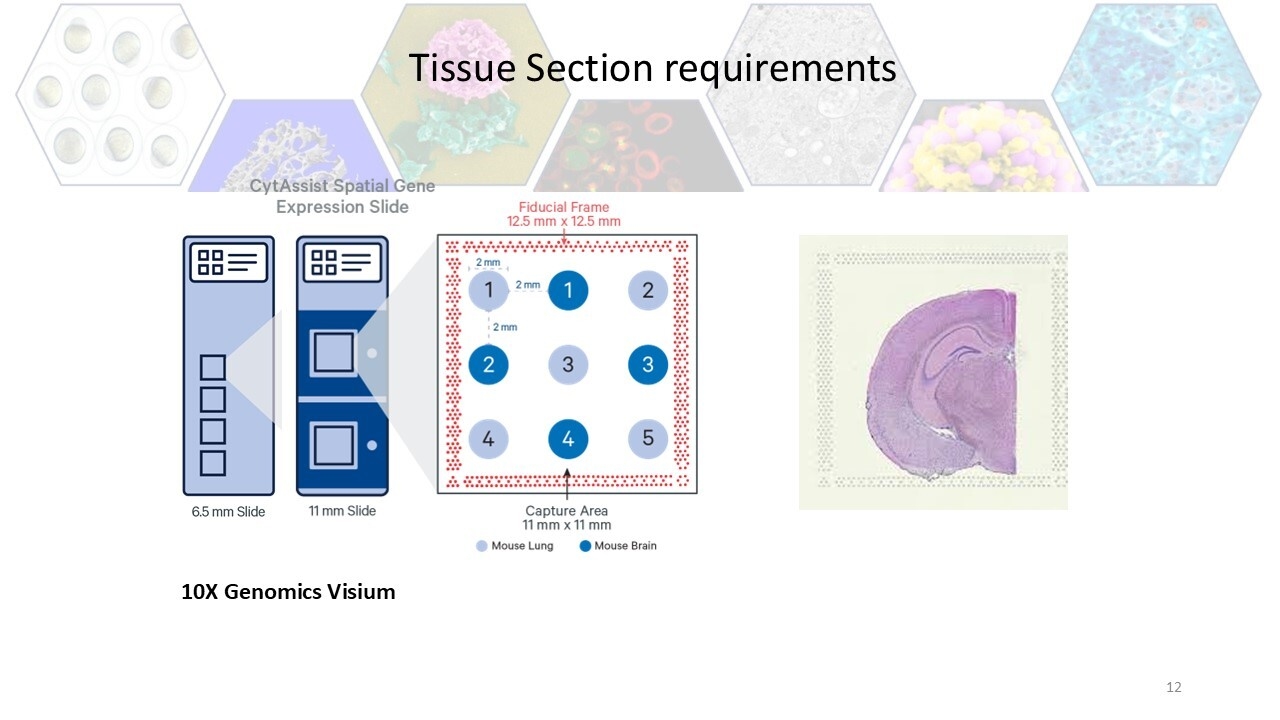
Tissue Section requirements
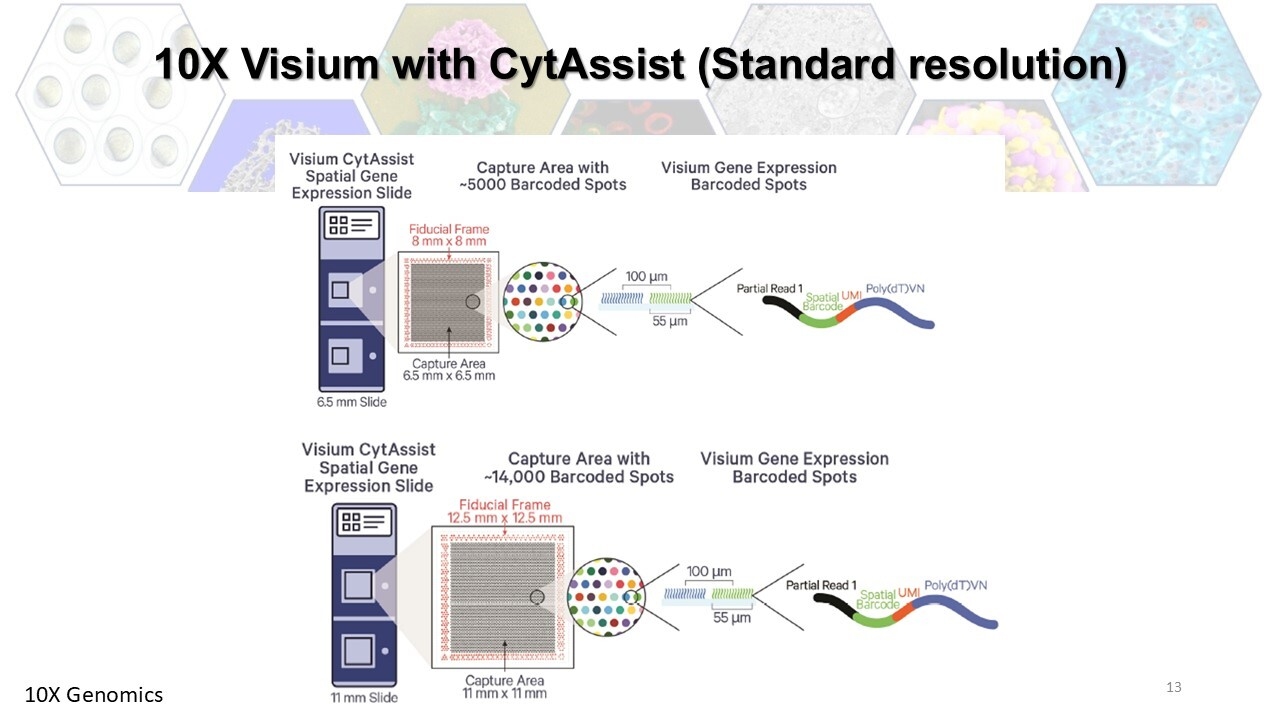
10X Visium with CytAssist (Standard resolution)
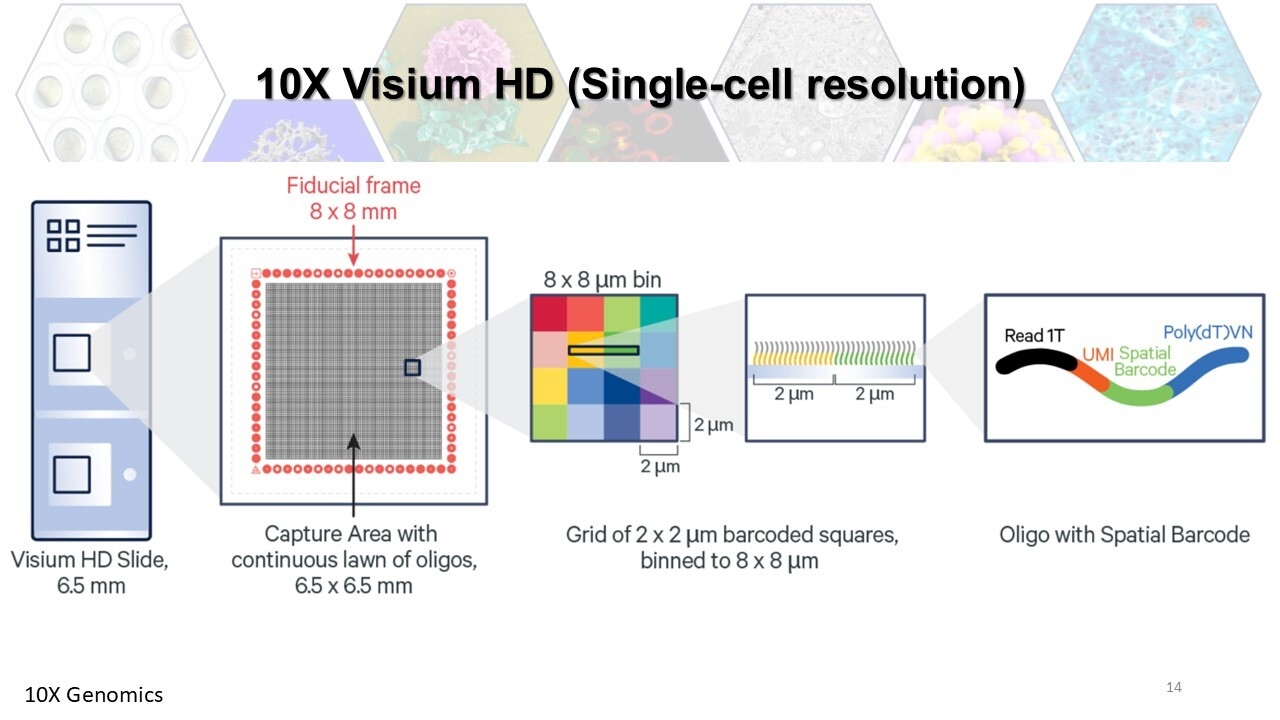
10X Visium HD (Single-cell resolution)
10X Genomics Visium Spatial Transcriptomics Workflow
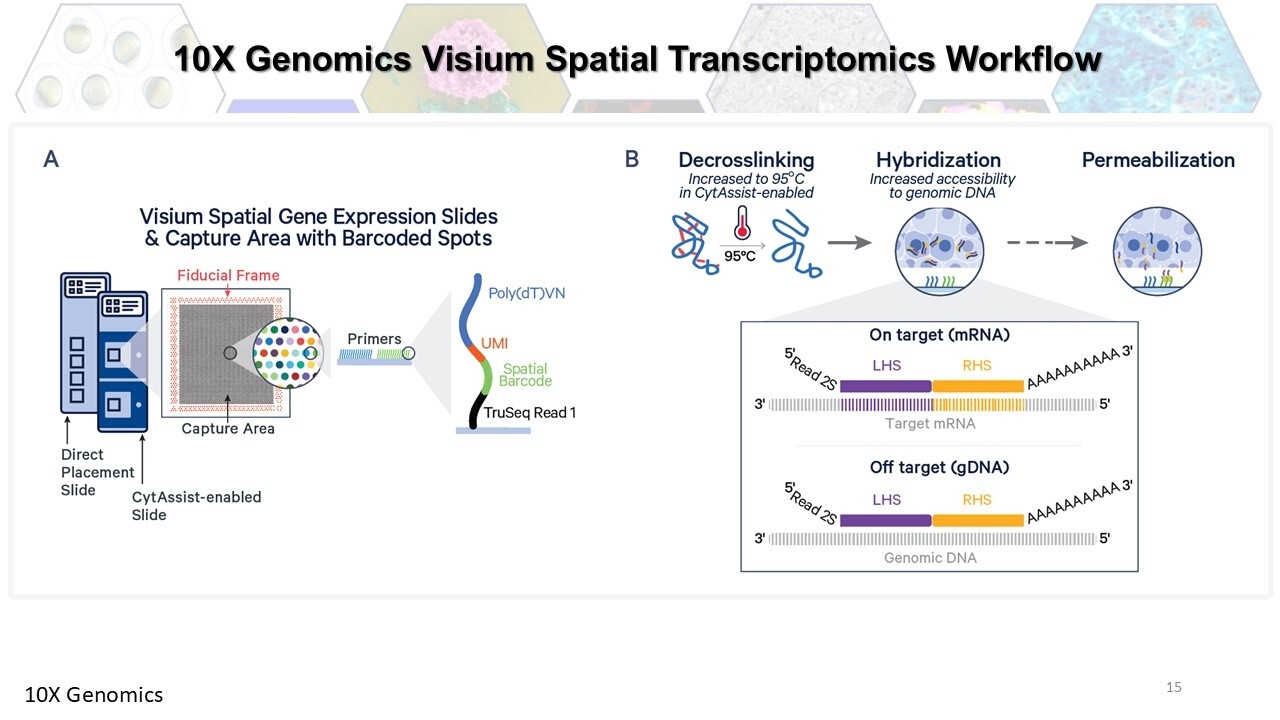
10X Genomics Visium Spatial Transcriptomics Workflow
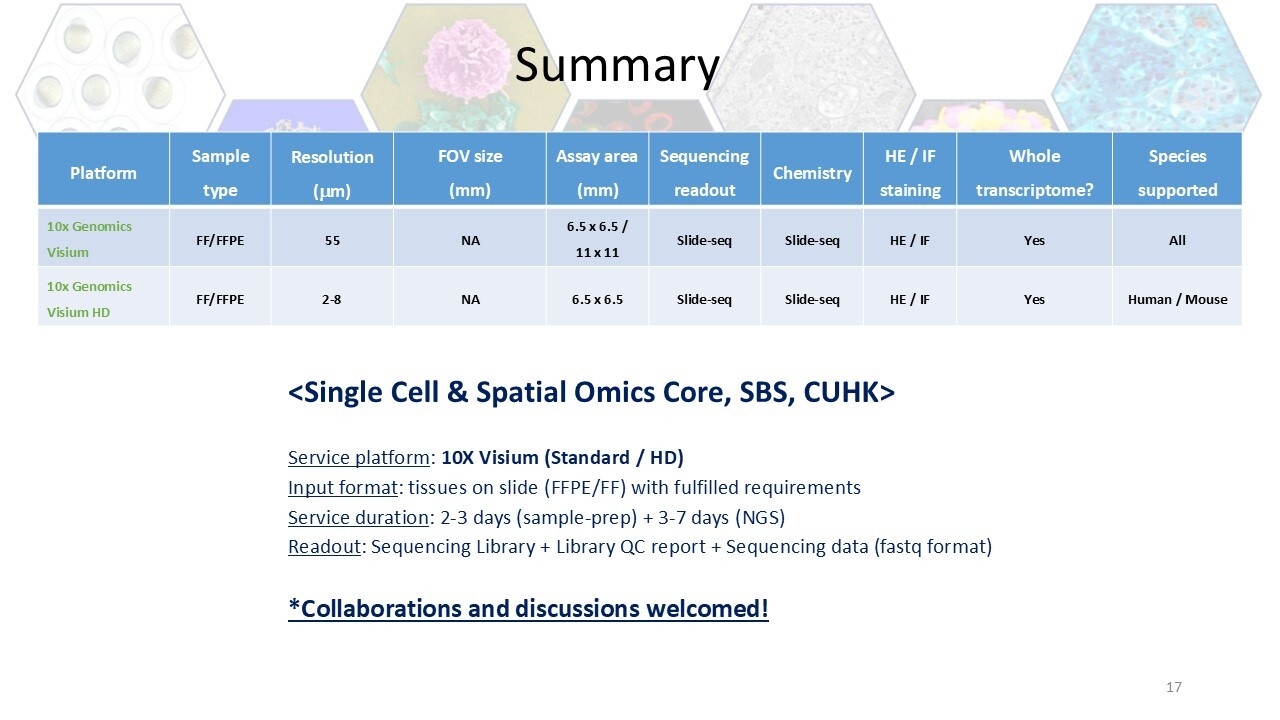
Summary
Service request
Please contact Dr Joaquim Vong (email: joaquim@cuhk.edu.hk / 39430318) for service request, technical enquiry and project discussion.
For service request, please fill in our Sample submission form.
Service fees include: (please enquire)
✓ Package set: From cell to sequencing library
✓ Cell quality and viability check / basic QC
✓ Sequencing library QC and quantification
✓ Intellectual advices (wet / dry lab)
✓ Troubleshooting
× Sequencing NOT included
× Repeated initial sample QC checks might incur extra charges
Output items
A. Sequencing library
B. QC reports for cDNA and sequencing library
C. Indexing information
The final product is a double-stranded cDNA molecule with sequencing adaptors and 3 different indices (10X barcode: cell info; UMI: transcript info; sample index: sample info). The sequencing library quality is evaluated by running into an Agilent 4200 TapeStation System.
Source: 10X Genomics
Precautions
Users are required to fill in and sign the “Service Form for Single Cell Omics Core” prior to sample submission
https://webapp.sbs.cuhk.edu.hk/eform/view.php?id=55400
All users MUST declare the nature of sample(s) submitted to SCOC FREE of any bio-hazardous material.
An initial assessment of cell quality will be conducted for the generation of data with optimal quality. Users may take the risk of sub-optimal data quality if the initial cell quality check fails.
Upon service booking, a copy of the confirmed service form will be forwarded to both the end user as well as the corresponding PI.
Initial sample submission evaluation (sample quality, amount, etc) is recommended to optimize sample quality, depending on the sample nature. Potential experimental discussion(s) might be arranged prior to samples submission.
The complete workflow take approximately 2 full working days. As only limited amount of samples can be performed per week, users are encouraged to optimize their sample quality before submission. Service bookings are arranged on a first-come-first-serve basis.
Once the service has started, service charge would be accounted for FULL service package price, as the reagents are on package stock basis. We are pledged to provide our service in a reasonable, efficient manner with quality.
Publications
29 September, 2025
2 April, 2025
28 March, 2025
6 March, 2025
26 September, 2024
23 April, 2024
15 February, 2024
August, 2023
Useful Resources
- 10X Genomics Chromium Single Cell 3' RNAseq
- 10X Genomics Chromium Single Cell Flex
- 10X Genomics Visium HD WTA
- 10X Genomics Visium HD 3'
- 10X Genomics CytAssist
- 10X Datasets
- 10X Publications
- 10x Genomics Support Hub
- Illumina Single Cell 3'
- Illumina Next Generation Sequencing
- Illumina Publications
- NanoString Spatial Molecular Imager
- NanoString Publications
- Worthington Tissue Dissociation Guide
- Nanotring CosMx SMI Best Practices
Staff in-charge

Dr. Joaquim Vong
Scientific Officer
39430318
Ms. Chloe Chen
Research Assistant
39435240